We often hear the names of art movements or major art movements — Renaissance, Romanticism, Impressionism — as if they were chapters in a distant textbook. Something old, finished, closed off behind museum glass.
But in reality, art movements are alive.
They show up in the posters we buy, the paintings we hang, the way we choose furniture, the mood we create in our personal space.
They’re not history.
They’re blueprints for feeling.
And once you understand the emotional core of each art movement, you’ll start to see art differently — not as decoration, but as atmosphere, memory, and identity.
What an Art Movement Really Is (No Textbook Needed)
An art movement is simply a group of artists responding to:
- The world they lived in
- The emotions they felt
- The questions they couldn’t ignore
Every movement asks a different question:
| Movement | Question it asks |
|---|---|
| Renaissance | What is ideal beauty? How do we make life feel elevated? |
| Romanticism | What does the heart do when it stops pretending? |
| Impressionism | What does a moment feel like before we try to describe it? |
| Expressionism | What does pain or longing look like when it has no words? |
| Modern Digital Art | What happens when art surrounds you instead of hanging in front of you? |
If you understand the questions, you understand the art.
The Major Movements — Explained Visually and Emotionally
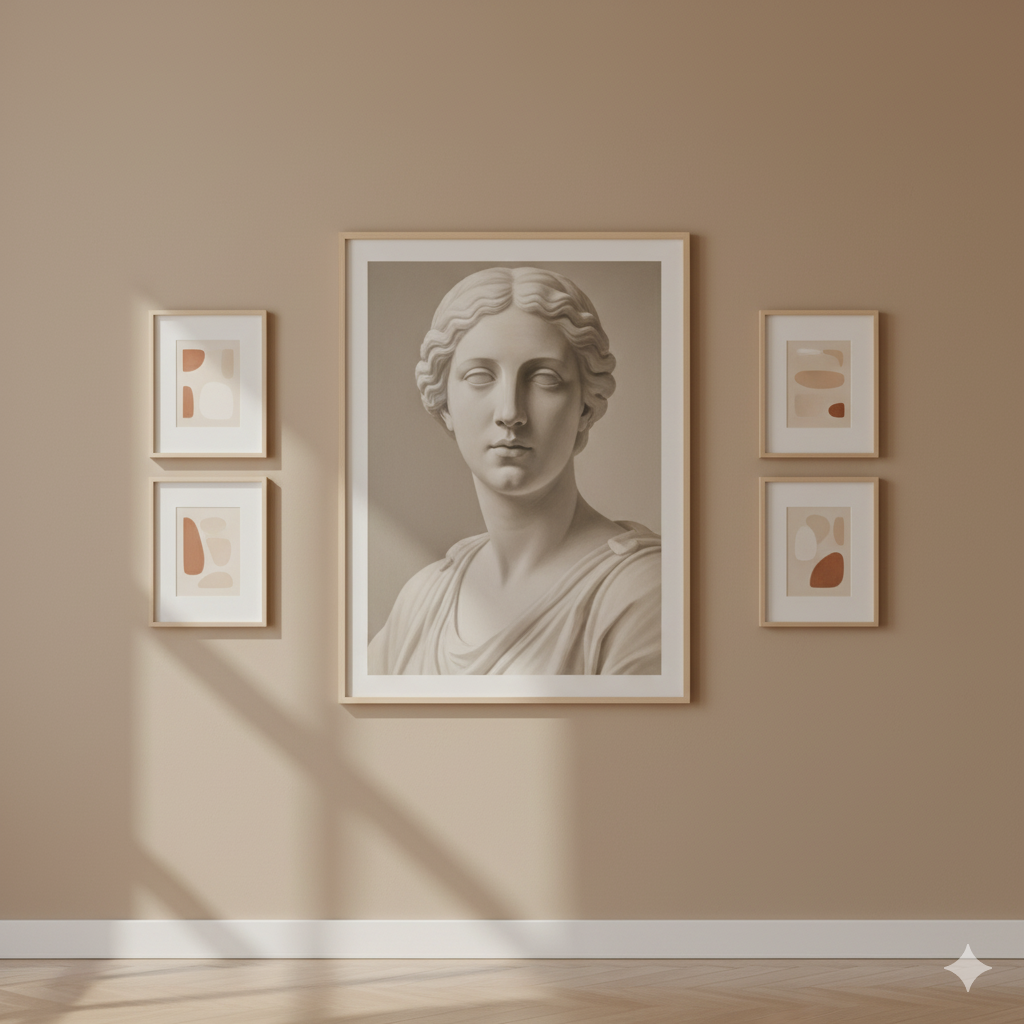
1. Renaissance
Art in this period was about balance, clarity, and harmony.
Painters and sculptors looked at the world and tried to elevate it — make it just a little more divine.
Imagine:
- Soft, natural light
- Symmetrical bodies
- Calm expressions
- Architecture that feels steady and grounded
Renaissance art creates peace in a room.
Feelings it brings:
calm, clarity, trust, dignity
If someone needs order in their inner life → Renaissance helps.
2. Romanticism
Romantic artists believed emotion was truth.
Not reason, not proportion — feeling.
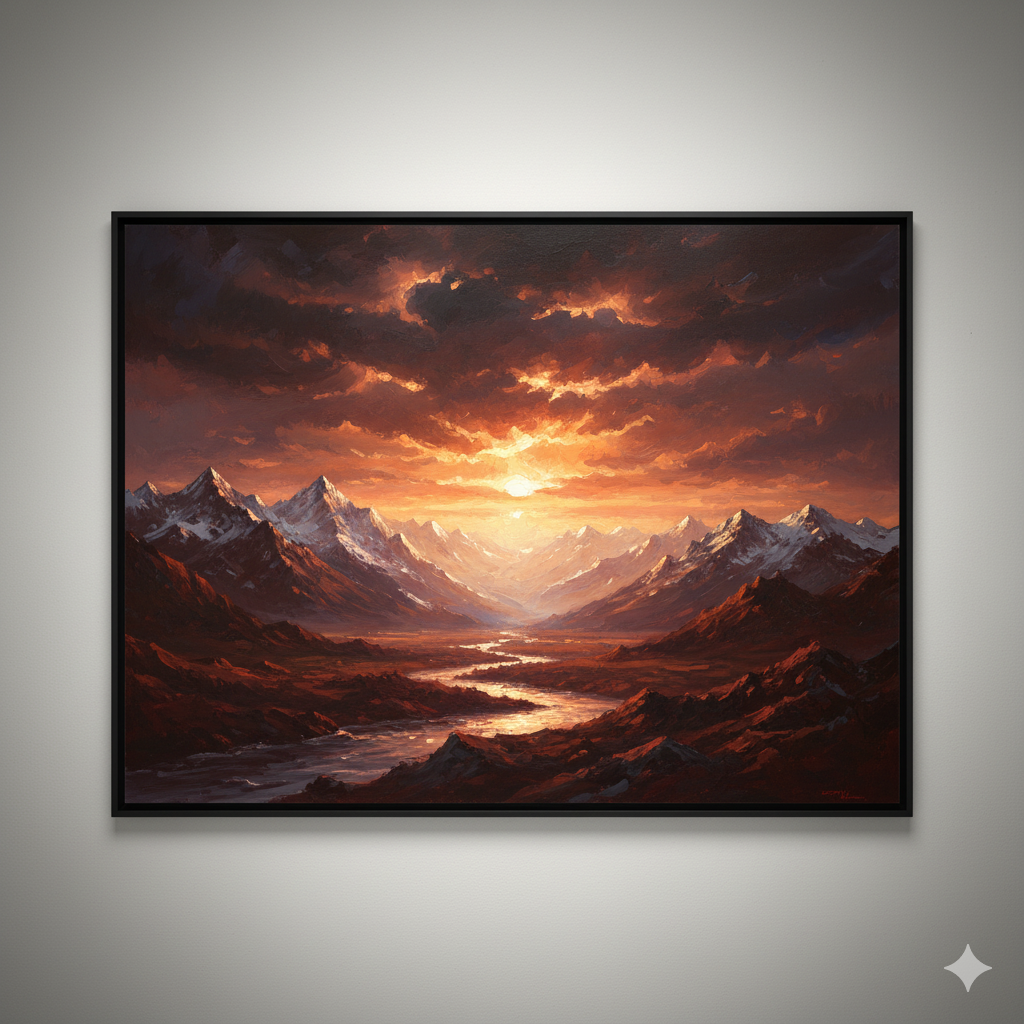
Think of:
- Stormy skies
- Lovers in tragedy
- Wild landscapes
- Colors that burn and ache
This movement is for people who feel deeply and want to live in intensity, not neutrality.
Feelings it brings:
passion, warmth, longing, dramatic presence
Romanticism speaks to the heart that refuses to flatten itself to survive.
3. Impressionism
Impressionism captures the sensation of a moment — the way light lands, the way a breeze feels, the way memory softens reality.
Monet didn’t paint lilies — he painted the experience of seeing lilies.
This art looks like:
- Gentle light
- Blurred edges
- Colors that melt into each other
Feelings it brings:
nostalgia, tenderness, subtle joy
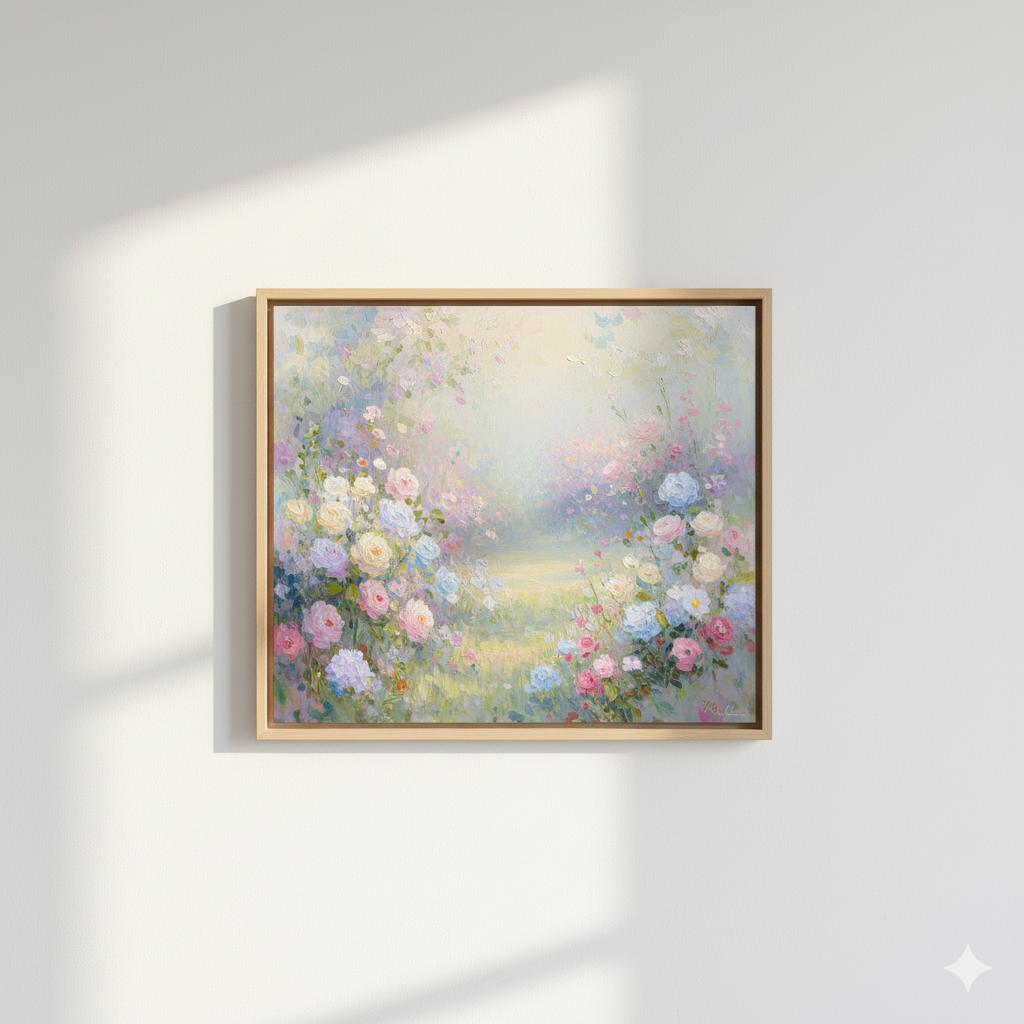
Impressionism is perfect for bedrooms, reading rooms, meditation spaces — anywhere you want to breathe softer.
4. Expressionism
If Romanticism is emotional fire, Expressionism is emotional truth without filter.
This art distorts shape and color to show what the heart feels, not what the eye sees.
It may look rough, twisted, or raw.
But it’s honest.
Feelings it brings:
courage, intensity, psychological depth
Expressionism is the movement of people who refuse to pretend.
5. Modern Digital & Immersive Art
This is where historical emotion meets technology.
It includes:
- Interactive installation rooms (teamLab, AR museums, projection domes)
- Digital art blended with soundscapes
- AI-assisted composition
- LED & light architecture
- Cinematic stage experiences (Cirque du Soleil, Chongqing 1949)
Here, the artwork surrounds the viewer, rather than hanging in front of them.
This movement belongs to a time where art is not observed —
it is lived.
Feelings it brings:
expansion, wonder, presence, “being inside the universe for a moment”
This is the movement where your project lives.
Why This Still Matters Today
Art is not neutral.
It changes us, even when we don’t notice.
When you choose art for a space, you are choosing:
- How you want to feel
- What you want to remember
- The energy you want to invite
Art movements are simply emotional palettes.
How to Use This to Choose Art for Your Space
Ask one simple question:
“What do I want this room to feel like?”
Then match the feeling:
| Desired Mood | Best Movement |
|---|---|
| Calm, clarity | Renaissance |
| Warmth, emotional connection | Romanticism |
| Peaceful nostalgia | Impressionism |
| Intensity + honest depth | Expressionism |
| Modern immersive presence | Digital Art & Light Installations |
Art is not something you look at.
It’s something your nervous system interacts with, every day.
Choose art the way you choose music:
by mood, not by rules.
Conclusion
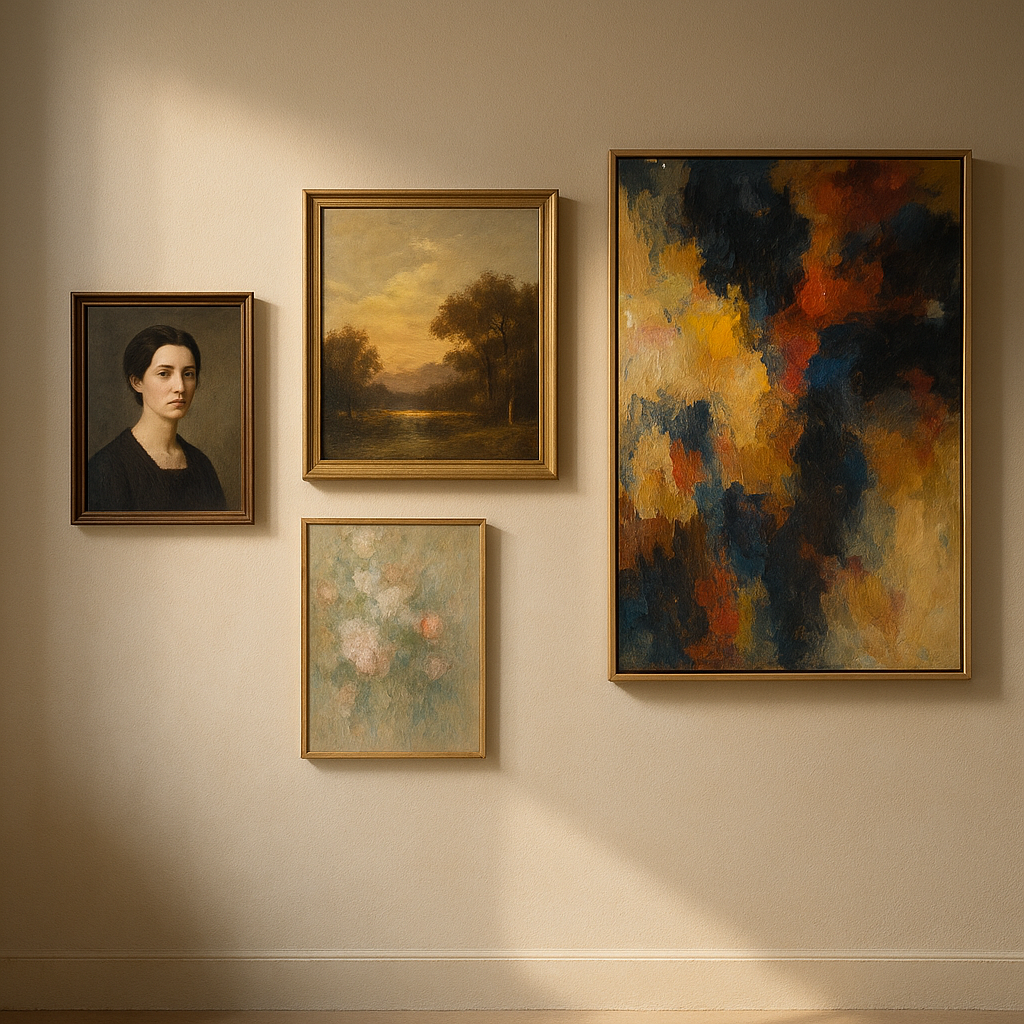
Art movements aren’t just history —
they’re languages of emotion that never stopped speaking.
Once you learn to read them,
your walls stop being walls
and start being meaning.
If you’d like to keep exploring how artists and creators shape meaning through moving images, continue your journey here:
Artists & Video Features 5
Want to deepen your understanding with themes that elevate visual storytelling even further? Step into this next category for a broader perspective:
Emotional Impact Art
Looking to navigate everything Print on the Hand has to offer across all creative paths? Explore the full list of categories here:
All Categories
