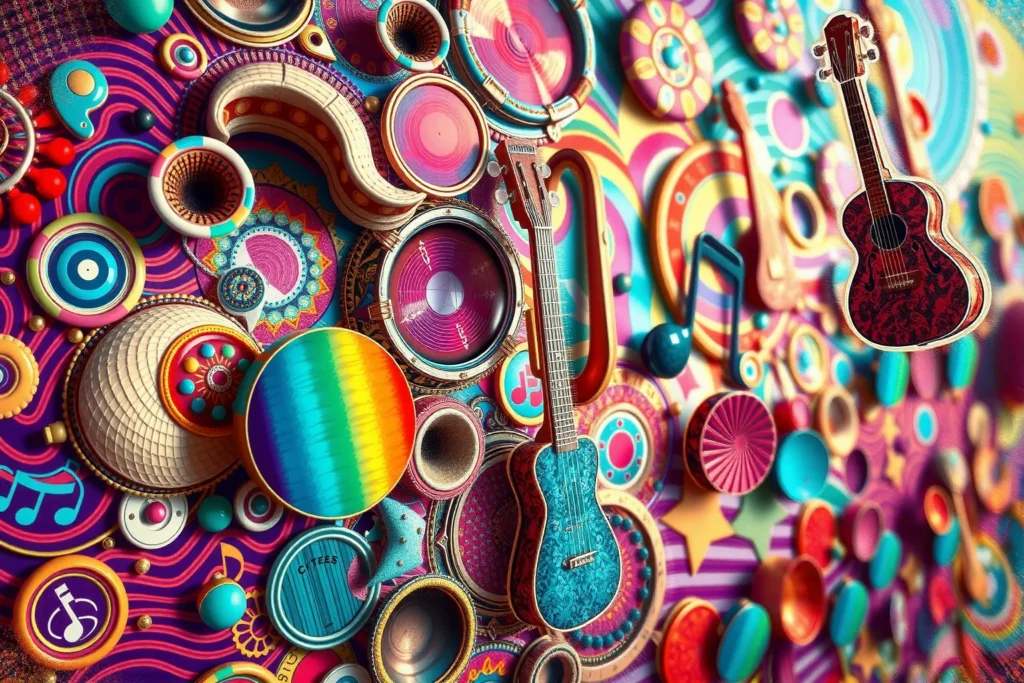
In the evolving world of interior design, color vibration art emerges as a dynamic fusion of music and visual expression. By combining rhythmic patterns, abstract compositions, and sound-reactive visuals, designers now craft environments that almost sing with personality. These aren’t just walls with art — they are harmonic canvases that echo our inner frequencies.
From converting audio frequencies into visual patterns to integrating musical instruments as decorative pieces, the result is a multisensory experience. It’s not just about style — it’s about creating an atmosphere that resonates emotionally. Whether you’re drawn to jazz-inspired brushstrokes or rooms that glow in tune with ambient sound, color vibration art is reshaping the way we think about home decor.
Music and wall art aren’t just decor—they’re instruments of emotional resonance. Together, they shape the harmony and atmosphere of every interior.
How Color Vibration Art Enhances Interior Design
Color vibration art is not just decorative—it’s experiential. Designers are increasingly embracing this sensory fusion to cultivate interior spaces that reflect the energy and personality of those who inhabit them.
Through sound-based abstract paintings and the display of musical instruments, designers create harmonious living spaces that reflect personal taste and enhance ambiance. Let’s explore how music shapes abstract art, from translating frequencies into forms to decorating with instruments as design statements.
Translating Music into Visual Design
One of the most fascinating aspects of color vibration art is the conversion of music into visible forms. Sound waves and frequencies can be transformed into abstract designs that echo emotional tones, rhythm, and mood.
Sound Waves Become Art
Innovative creators have employed tools like the cymascope to visualize sound. Artists such as Jimmy O’Neal have embraced this technique, using frequency patterns to generate artwork that resonates both audibly and visually.
These sound-inspired visuals offer more than just aesthetic appeal—they act as emotional reflections of the music itself, wrapping the viewer in an immersive atmosphere of rhythm and color.
Exploring the Synesthetic Connection
The phenomenon of synesthesia—where one sense triggers another—has long inspired artists. In color vibration art, auditory stimuli translate into visual experiences, giving rise to abstract compositions with deep emotional charge.
Artists Who Paint Music
Artists like Lin Hsin Hsin interpret music through layered colors and expressive forms. Her work distills melodies into visual art, turning rooms into emotional landscapes where color and rhythm breathe together.
Such creations transform blank walls into soulful reflections of music’s energy, offering homeowners a deeply personal and emotional décor.
Musical Instruments as Functional Art
Integrating musical instruments into interior decor adds more than a stylish touch—it brings tactility, nostalgia, and personality to the environment.
Functional Beauty: Guitars, Pianos, and Violins
Displaying guitars, violins, or pianos—whether mounted, hung, or placed in corners—can serve as both homage to sound and centerpiece of the space. These instruments speak of stories, passions, and lived moments, turning décor into a multisensory dialogue.
In a home filled with color vibration art, the instrument becomes both inspiration and sculpture.
Synchromism: When Color Becomes Music
Dating back to the early 20th century, the Synchromist movement explored how colors could be orchestrated like musical notes. Founded by Stanton Macdonald-Wright and Morgan Russell, Synchromism offers key philosophical grounding for today’s color vibration art.
Color Theory Meets Musical Structure
Just like chords in harmony, colors in a composition can be arranged to trigger emotional responses. This principle underlies much of modern color vibration art, where design becomes a concert of hue, intensity, and mood.
Whether it’s a fiery crescendo of reds or a tranquil piano of pastels, this fusion leads to spaces that sing without a sound.
Designing for Sensory Resonance
The power of color vibration art lies in how it emotionally connects with those who experience it. A well-curated space using this approach doesn’t just look beautiful—it feels alive.
From Abstract to Atmosphere
By pairing music-inspired visuals with thoughtful color placement, designers create environments that invite peace, inspiration, or even joy. It’s not just about taste—it’s about vibration, frequency, and how we emotionally tune into the space around us.
Conclusion
Color vibration art represents a fresh chapter in interior design—one where sound and sight merge to stir the soul. Through abstract compositions, sound-reactive visuals, and musical instruments as art, designers are building spaces that don’t just look good, but feel right.
To explore and expand further on the concept of this topic, click here on the link:
AudioVisual Realm Artery Space
Want to create projection mapping with your own new ideas? Get some tips from:
Styles, Themes & Trends
Want to learn more about everything Print on the Hand has to offer? Click here to see all categories together:
Categories
