
Introduction-photography for beginners
Photography isn’t just about taking pictures — it’s about freezing life’s most precious moments in time. Today it’s easier than ever to begin your journey as a photographer. Cameras have become more affordable, lenses more versatile, and tools like tripods and printers are no longer luxuries but essentials within reach of beginners.
This guide is designed to be your starting point in photography. Whether you’re a parent wanting to capture family milestones, a student exploring creative hobbies, or someone rediscovering life through images after years of routine, this article will guide you through the foundations. Along the way, you’ll find detailed links to focused guides that explore each piece of gear in depth.
Let’s begin with the heart of photography: the camera itself.
Step 1: Choosing Your First Camera
Every journey begins with the right camera. For beginners, the challenge is not about finding the “perfect” one, but about choosing a camera that balances ease of use, affordability, and future growth.
Modern entry-level cameras offer impressive image quality without overwhelming menus or complicated controls. Many even include beginner-friendly modes and tutorials built into the system.
From compact mirrorless cameras to beginner DSLRs, you’ll discover which ones are best suited for portraits, travel, or everyday family photography.
Step 2: Steady Shots with Tripods
A good photo isn’t only about the camera — stability is key. That’s where tripods come in. For beginners, a tripod is more than a stand; it’s a teacher. It trains your eye to slow down, compose carefully, and explore creative angles like long exposures and night photography.
Imagine photographing your child blowing out birthday candles without blur, or capturing a glowing cityscape at night without shaky hands. Tripods make those shots possible, even for beginners.
Step 3: Printing Your Memories at Home
Digital photos are wonderful, but nothing compares to holding a memory in your hands. Photo printers have become smaller, smarter, and surprisingly affordable. Beginners no longer need a professional studio to print sharp, vibrant images.
Picture this: you take a family trip, print your favorite shot at home, and hang it on the wall the same day. The emotional value of a printed photo far outweighs its cost.
Step 4: Expanding Creativity with Lenses
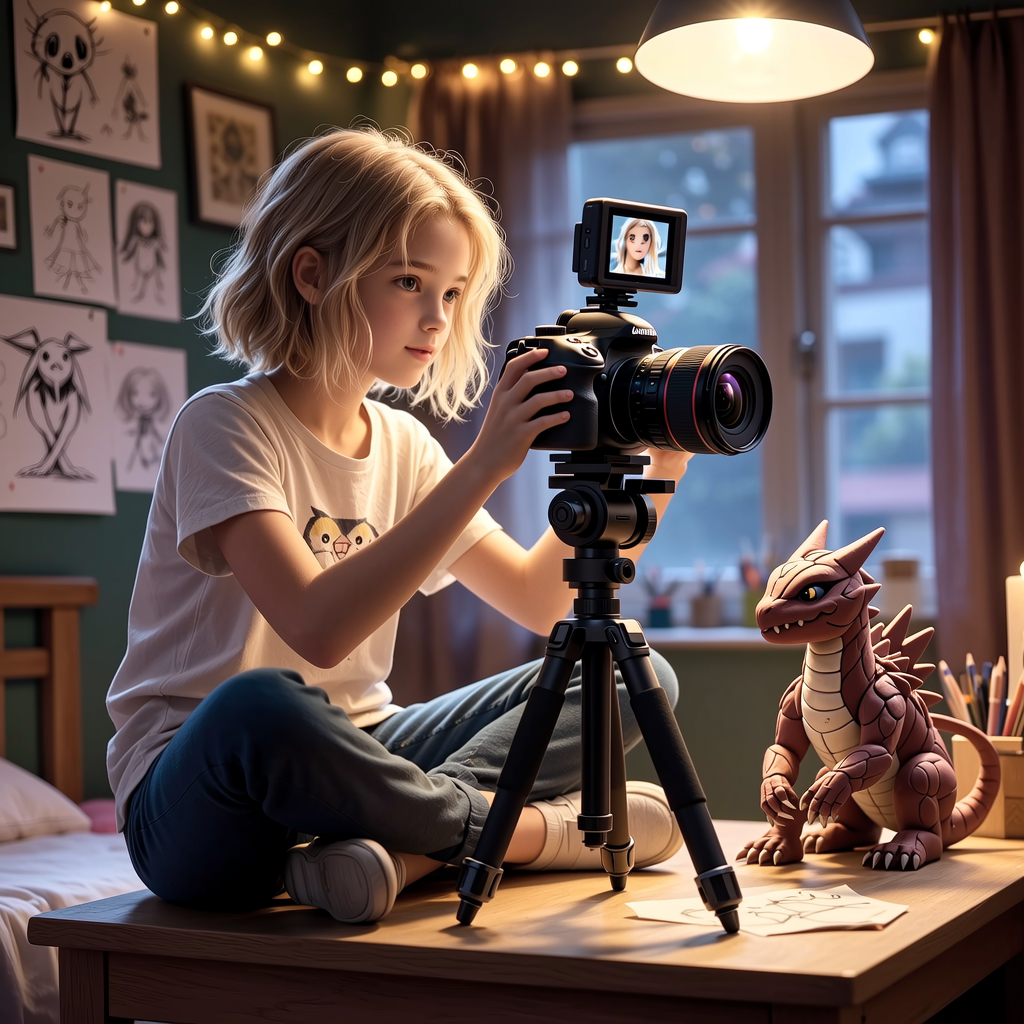
Once you’ve mastered your camera, the lens becomes your creative brush. Beginners often underestimate how much a lens shapes an image. A portrait lens softens backgrounds and highlights emotion, while a zoom lens pulls you closer to action you can’t physically reach.
Choosing your first lens is about exploring what excites you most — family portraits, street photography, sports, or creative projects.
Scenarios That Inspire Beginners
Family Moments
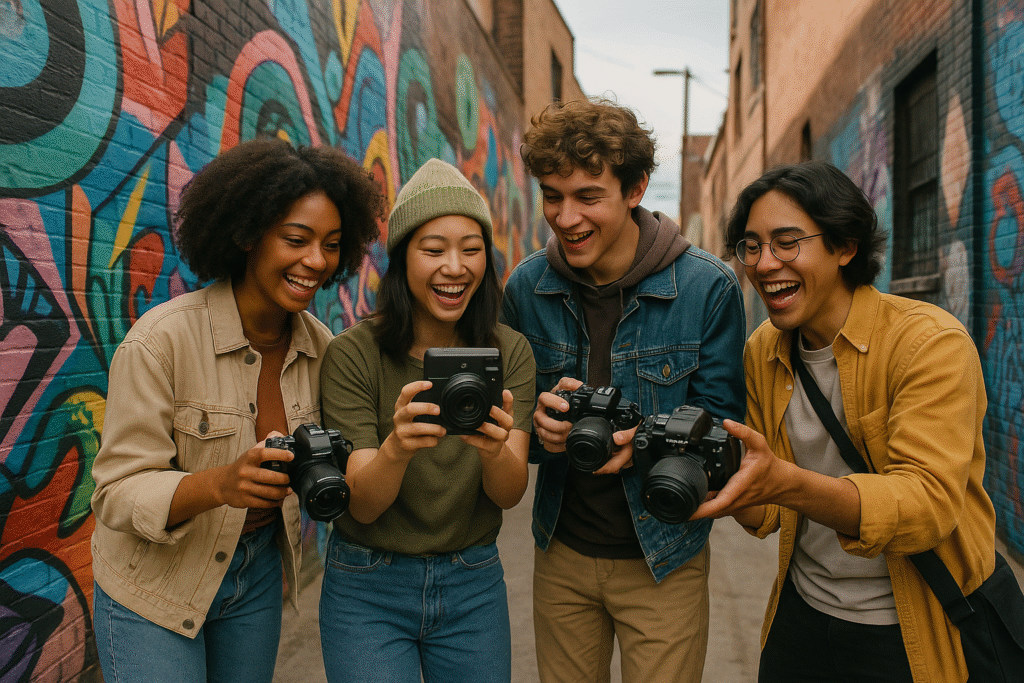
- A daughter saving up for her first lens and surprising her parents with portraits that look professional.
- A father standing at the sidelines, zoom lens in hand, capturing his son’s soccer goal from afar.
Creative Growth
- A student combining photography with handmade crafts, using a mid-range lens to build a portfolio.
- A young couple printing their travel shots to decorate their new apartment, turning blank walls into living stories.
Personal Healing
- Someone leaving behind a stressful job and picking up photography as therapy — finding joy in focusing on light and composition.
Each of these scenarios proves that photography is not just about gear; it’s about connection, creativity, and memory.
Building Your Beginner Photography Kit
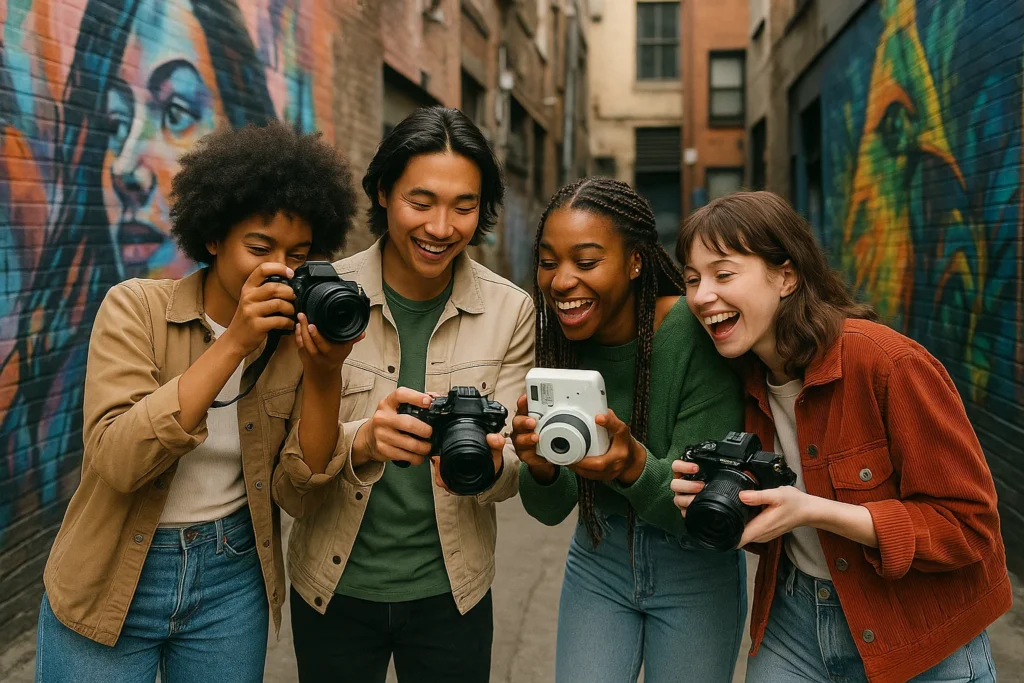
To make this journey easier, here’s a simple starter kit structure you can follow:
- One beginner-friendly camera (mirrorless or DSLR).
- One prime lens (like a 50mm for portraits).
- One tripod (lightweight, portable).
- One photo printer (compact or desktop, depending on your space).
- Optional: one zoom lens (for sports, travel, or wildlife).
This kit covers every major scenario: still life, family portraits, outdoor action, and creative printing.
Tips for Beginners Starting
- Start small, grow naturally → Don’t buy everything at once. One camera and one lens are enough to begin.
- Learn by doing → Practice with free light. Photograph the same subject at morning, noon, and evening. Notice how light changes everything.
- Don’t fear mistakes → Every blurry or underexposed photo is a teacher.
- Print often → Photos stuck in digital folders rarely get shared. Printing motivates you to shoot better.
- Ask why, not just how → Before pressing the shutter, ask yourself: why am I taking this photo? The answer guides your growth.
Future-Proofing Your Hobby
Technology evolves fast, but the basics of photography remain timeless: light, composition, emotion. The gear recommended here is beginner-friendly, but it won’t become useless as you advance. Many of these cameras, tripods, and lenses will serve you for years before you feel the need to upgrade.
Investing wisely now saves money later. More importantly, it ensures that your first experiences are filled with inspiration, not frustration.
Conclusion
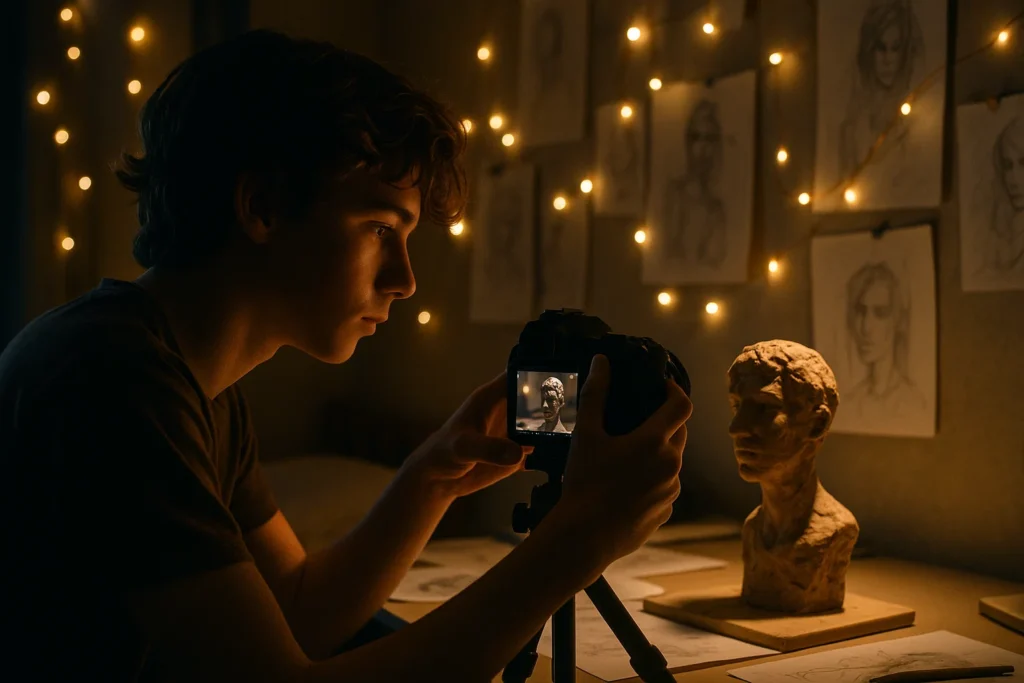
Starting photography doesn’t have to be overwhelming. With the right guidance and the right tools, beginners can create photos that carry emotional weight, technical clarity, and personal meaning.
This starter guide is your gateway. From choosing your first camera, to stabilizing with tripods, to printing your memories and expanding creativity with lenses, every step is designed to give you confidence and joy.
Explore the linked guides, choose what resonates, and remember: photography is not about perfection, but about connection. The lens, the camera, the printer — they are all just instruments. The true art lies in the stories you tell and the lives you touch with your images.
If you’d love to keep exploring the art of photography—from fine-art visuals to experimental digital work and real-world storytelling—continue your journey here:
Photography 12
If you’re interested in discovering how visual language, color, symbolism, and style evolve across different art forms, take the next step here:
Styles, Themes & Trends 8
Curious to explore everything Print on the Hand offers across all categories and creative paths? View the full collection here:
All Categories
